Each page lists the frames that meet that specification, the numbers that change when you tighten it, and the questions that decide the part. They are selection views of the same catalogue — not extra product families — so a model can appear on more than one page.
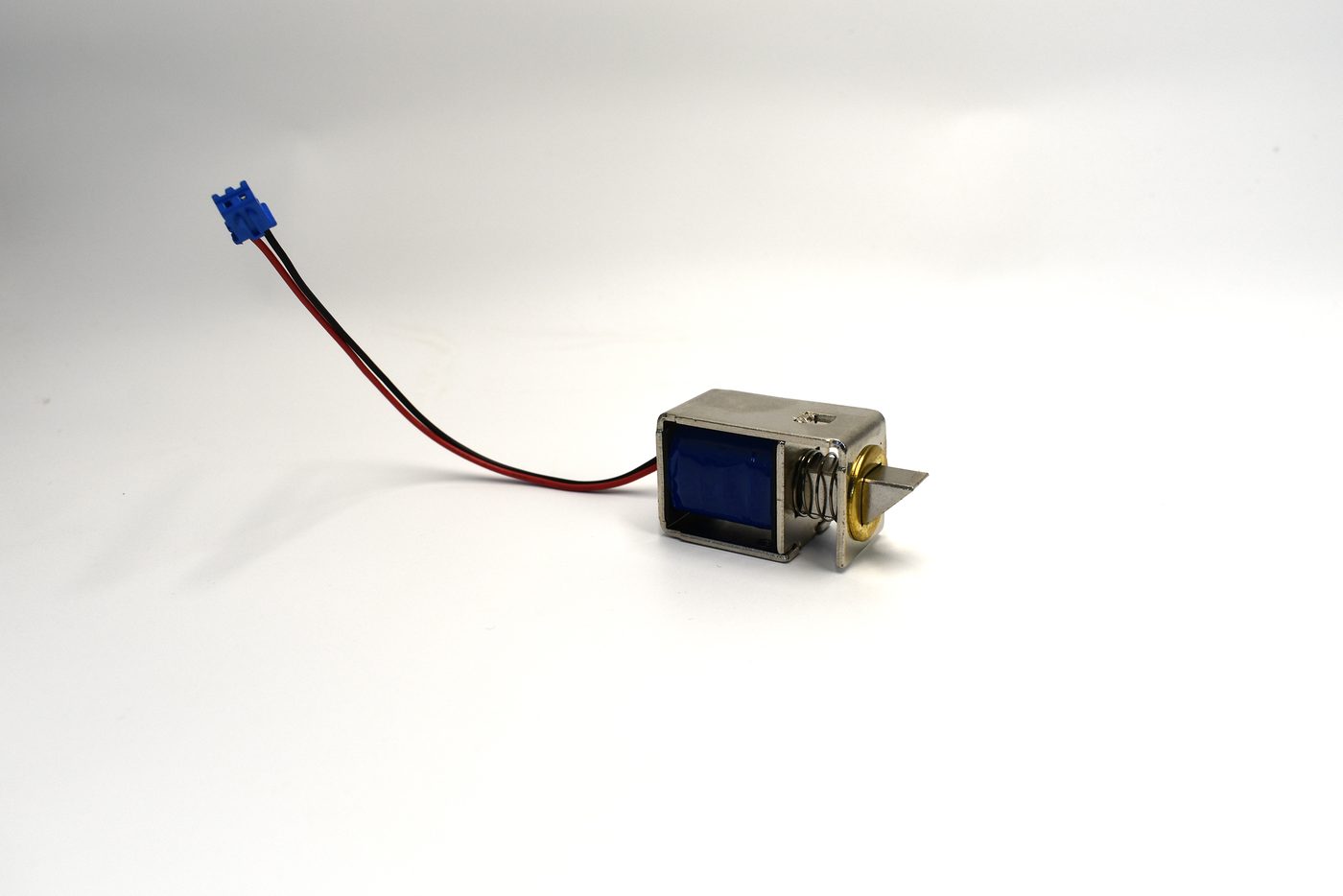
12V Push Pull Solenoid
The supply is fixed at 12 V. What remains is stroke, the force at that stroke, and how long the coil may stay energised.
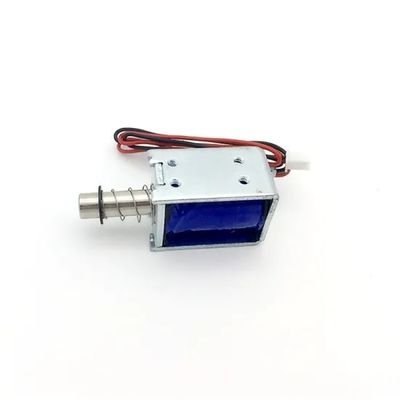
24V DC Solenoid
Twice the voltage, half the current for the same wattage — which changes the wire, the driver and the cable run, but not the force.
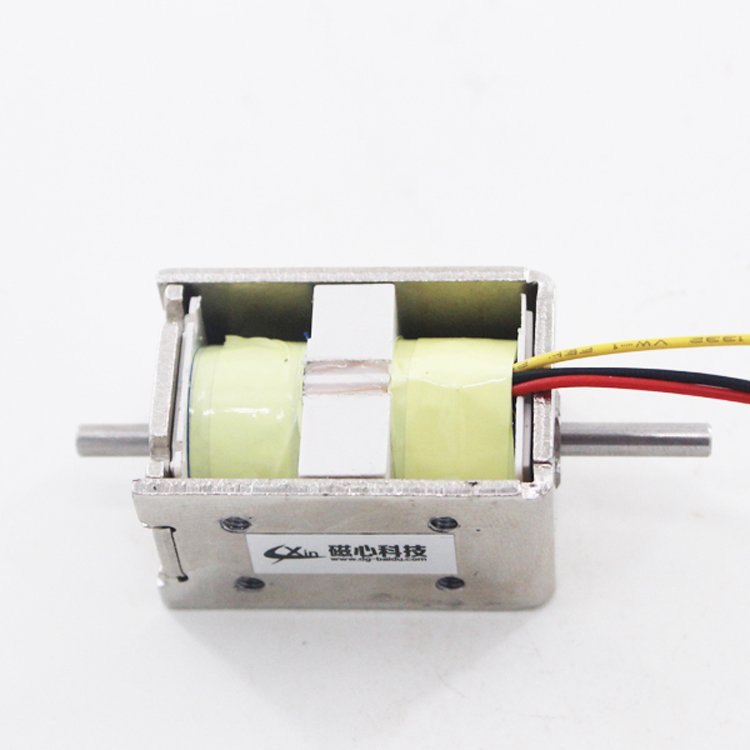
12V Latching Solenoid
A permanent magnet holds the plunger after the pulse ends, so the 12 V rail supplies the move — not the hold.
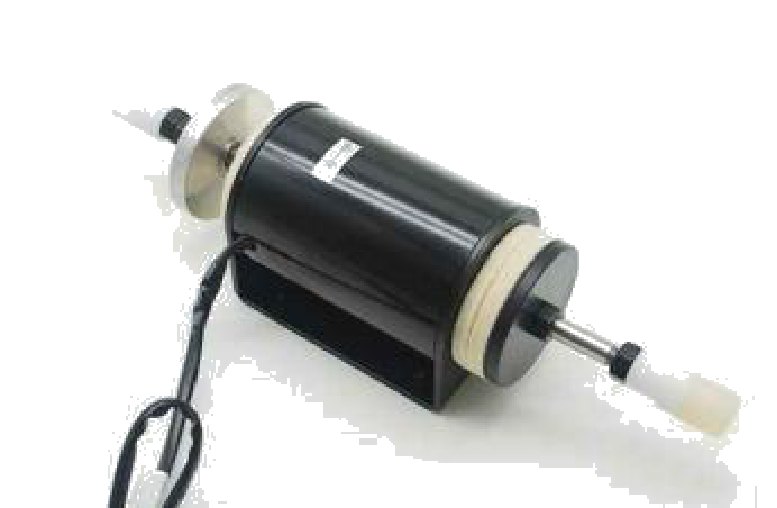
High Force Solenoid
Force means nothing without a stroke. A 500 N part at zero gap and a 500 N part at 10 mm are different machines in different housings.
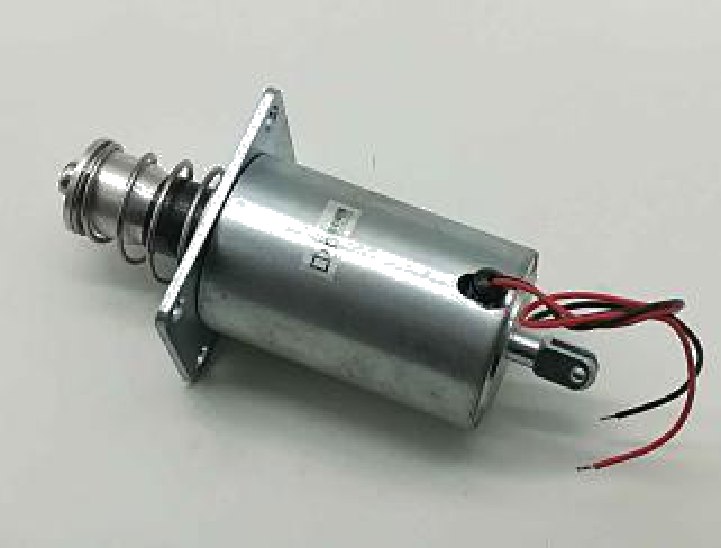
Long Stroke Solenoid
Stroke decides the family. Past about 12 mm, only a tubular frame keeps a useful force at the end of the travel.
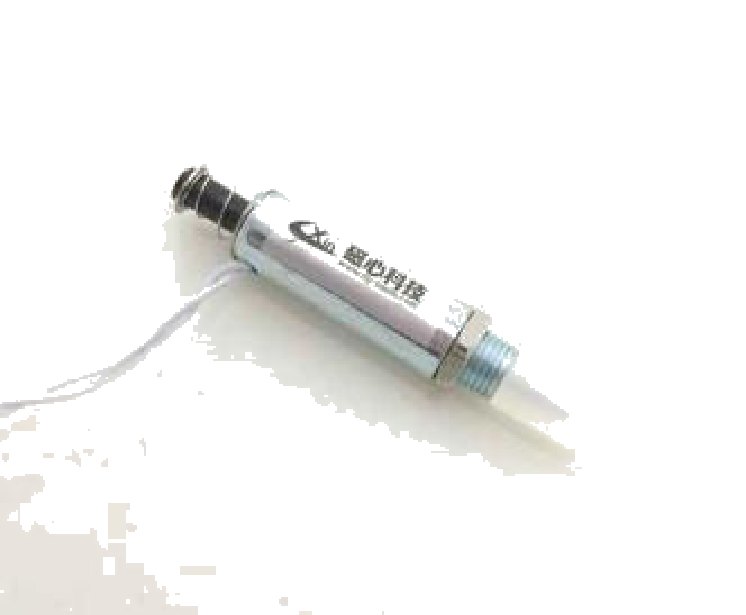
Miniature Tubular Solenoid
Small enough to sit inside a handheld instrument, strong enough to move a valve or a shutter — the constraint is heat, not force.
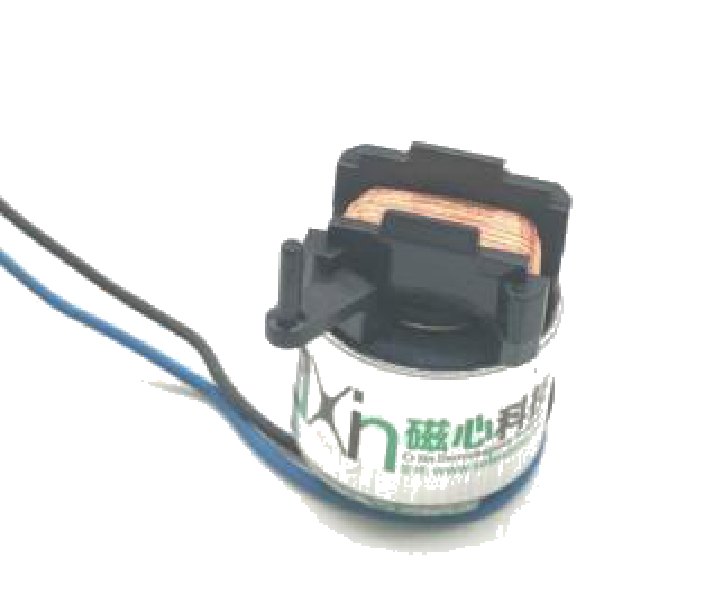
High Speed Rotary Solenoid
Speed comes from low inertia and a short magnetic path, not from more power. The small frames are the fast ones.
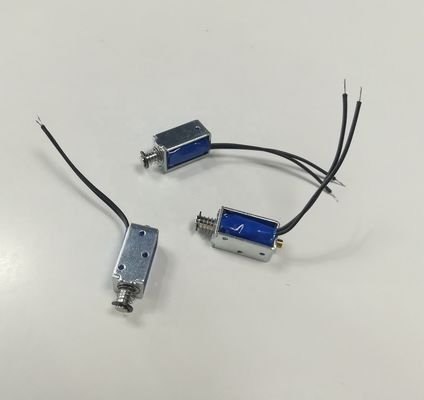
Low Power Solenoid
Low power is not low force. It is force delivered in a shorter time, from a coil designed to spend most of its life cold.
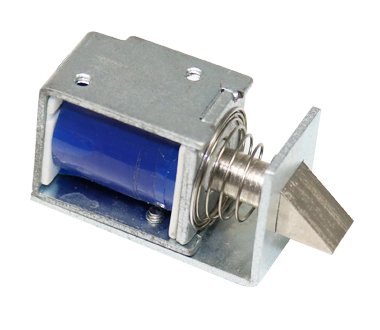
Custom Linear Solenoid Actuator
When no catalogue frame fits, the actuator is designed around the mechanism — not the other way round.
Push Pull Solenoid
One coil, two directions, decided by the plunger end and the stop - not by the wires.
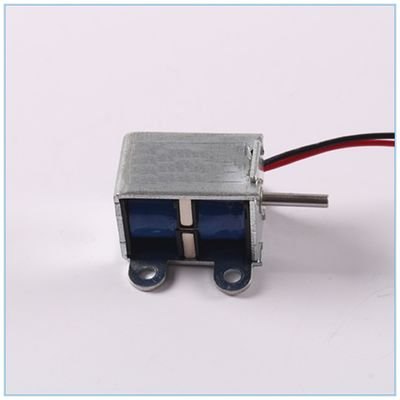
Miniature Solenoid
Small enough for a handheld instrument - sized by its thermal surface, not by its force.
Linear Solenoid
Any solenoid that moves a plunger in a straight line - the family name, not a single product.
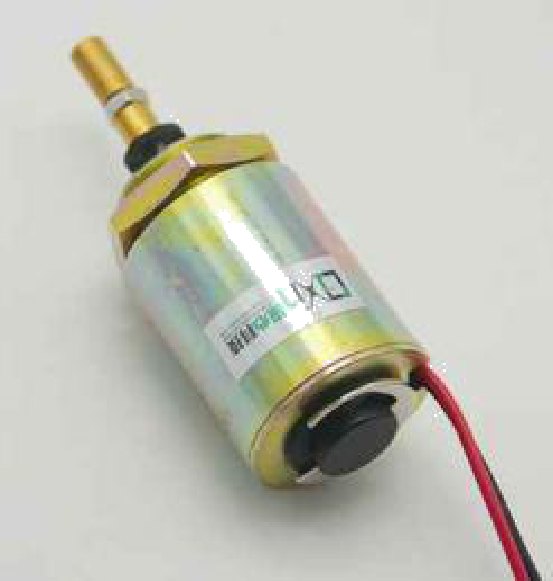
Tubular Solenoid
A closed flux path around the coil and a guided plunger - the workhorse for strokes past 10 mm.
DC Tubular Solenoid
Every frame in the T-series is a DC part; the voltage is a winding, the mechanics are the frame.
Bistable Solenoid
Two stable positions, one short pulse, no current while it waits - the battery-powered default.
Double Latching Solenoid
One coil, two magnet-held positions - lock and unlock both cost a pulse, never a continuous current.
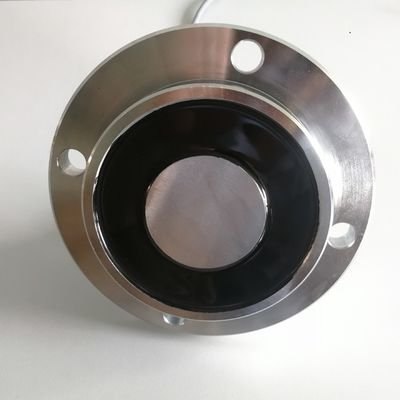
Holding Electromagnet
A holding magnet does not stroke - it grips. Energise to attract, de-energise (or reverse, on self-holding types) to release.
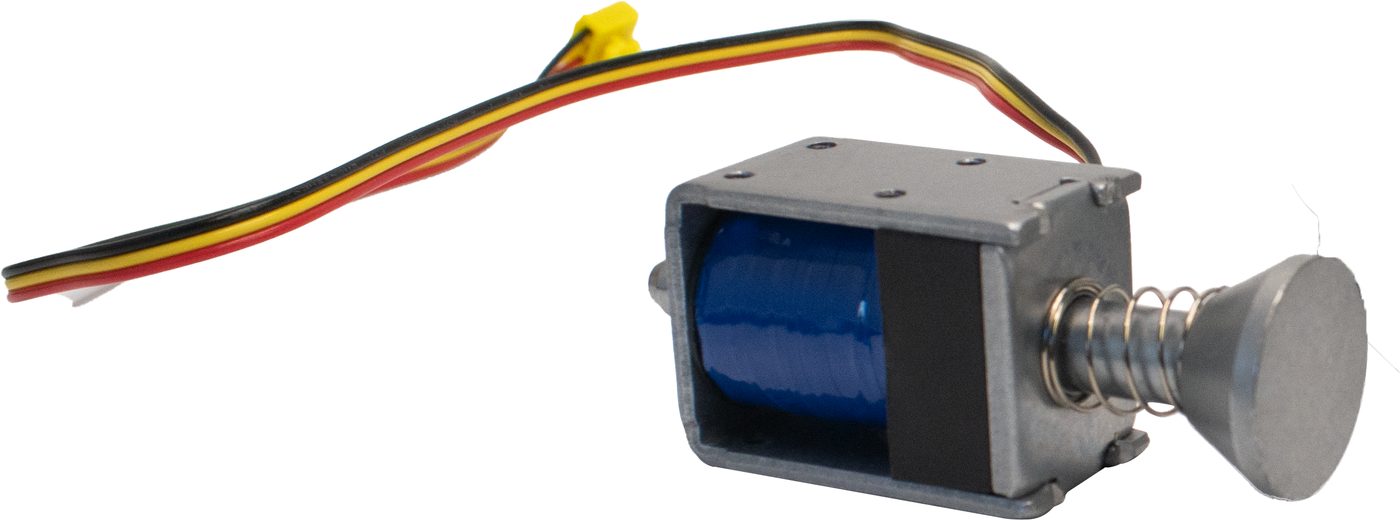
DC Electromagnet
Any magnet energised by direct current - holding, self-holding or latching; the duty decides the construction.
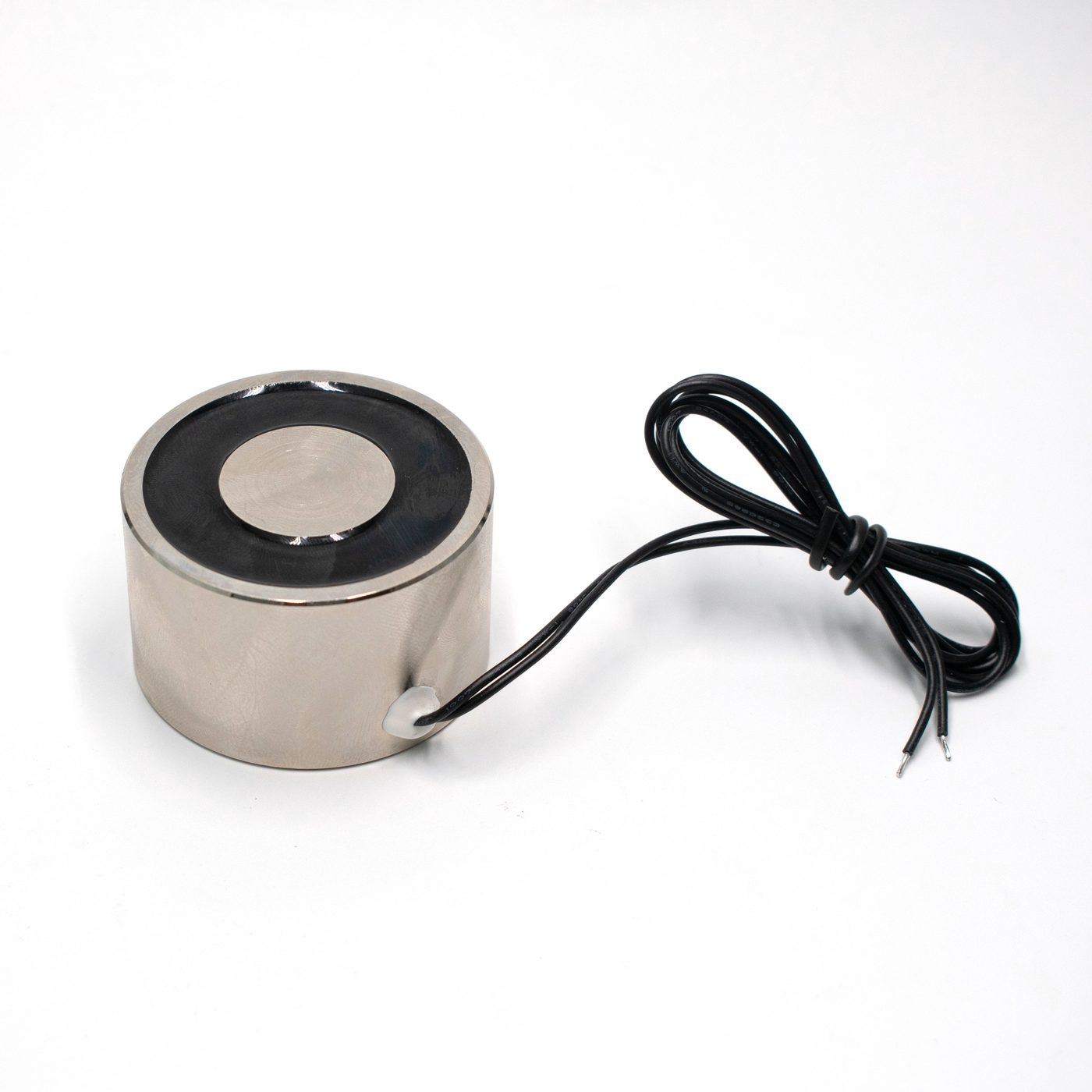
Electric Lifting Magnet
Lifting duty is holding duty with a shock load and a safety margin - it is engineered per load case, not picked from a list.
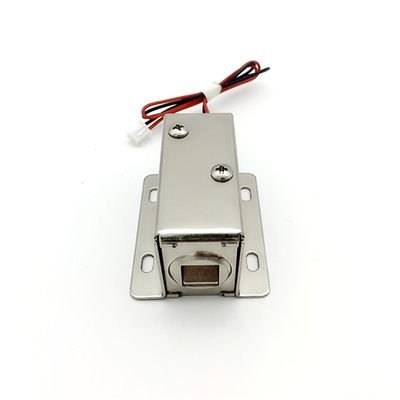
Solenoid Door Lock
The door defines the solenoid: bolt travel, battery rail, noise limit and fail position come from the mechanism.
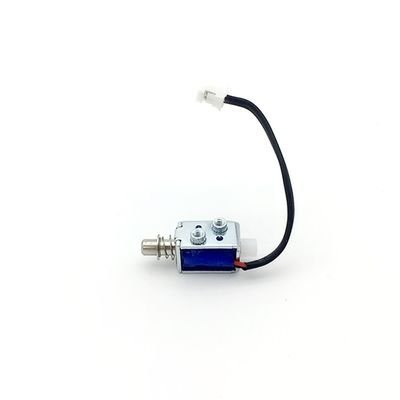
Cabinet Lock
A cabinet lock lives on a shared rail, behind a small door, next to electronics - the constraints are space, voltage and feedback.
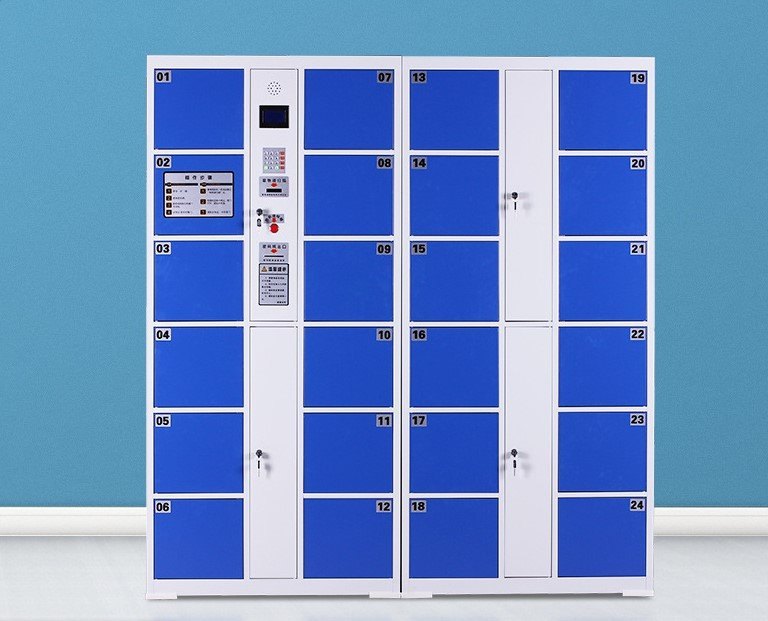
Locker Lock
A locker bank is hundreds of locks, one rail and no attendants - the cabinet, not the door, writes the specification.
Custom Solenoid
Custom does not mean starting from zero - most custom solenoids are proven frames with the interface engineered around your mechanism.
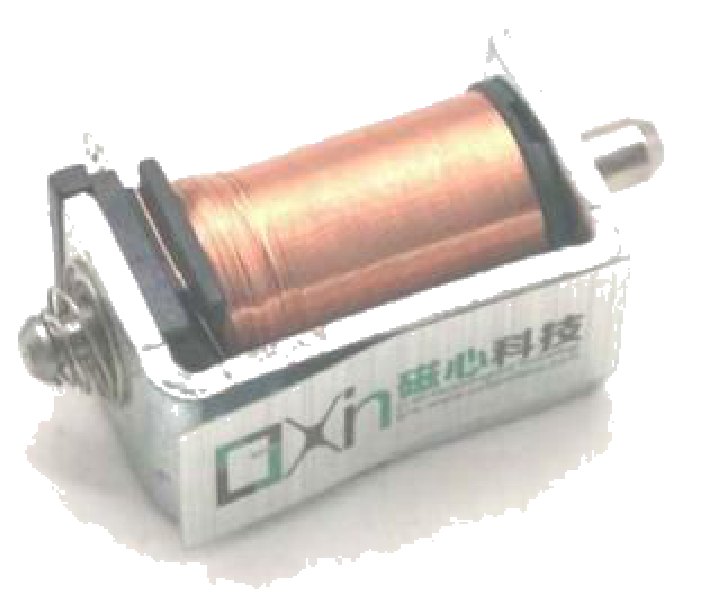
Solenoid Pump
We build the solenoid that drives or controls the pump - the pump head stays yours.
Custom Electromagnetic Actuator
An actuator is a solenoid plus everything that makes it work in the machine - supplied and tested as one unit.
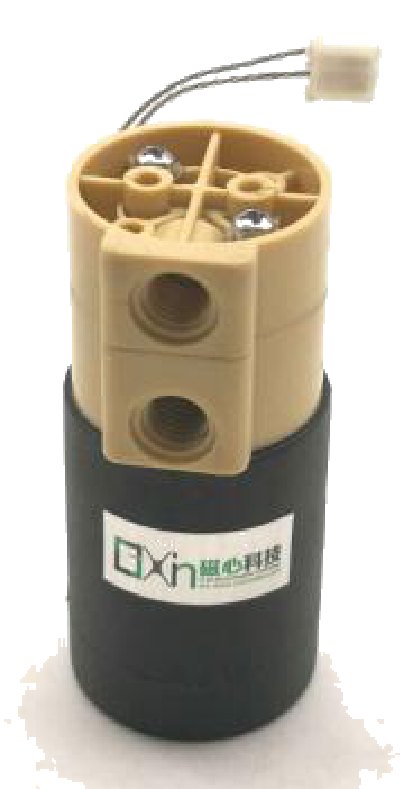
Solenoid Valve
A solenoid valve controls flow through an orifice - the medium, pressure and cycle rate decide the construction.
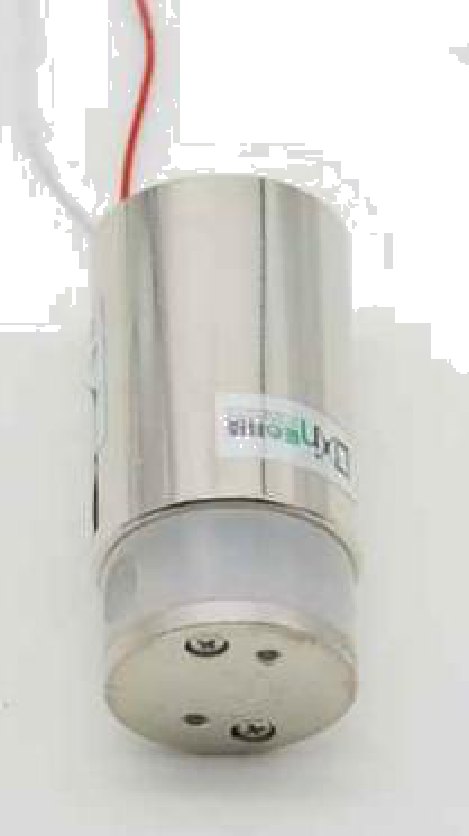
Water Solenoid Valve
Water is the friendly medium - the design questions are pressure, cycling and whether the device runs on a battery.
Fluid Control Solenoid
Fluid control is two solenoid jobs - switching the flow, or driving the mechanism that moves it.